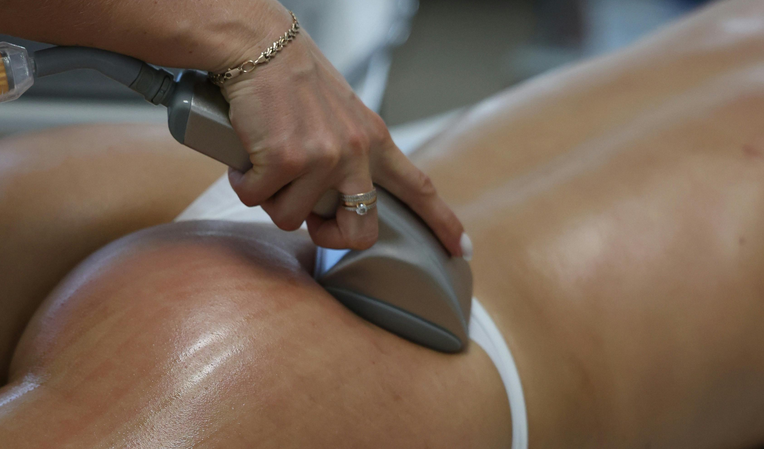
In a world where body contouring has become more accessible than ever, two names stand out when it comes to fat reduction: CoolSculpting and liposuction. Both promise to help you shed stubborn fat that won’t budge with diet and exercise alone, but they do so in very different ways. Whether you’re after a quick recovery or dramatic results, understanding the differences between these two treatments can help you make the best choice for your body goals.
What Is CoolSculpting?

CoolSculpting is a removal treatment that utilizes controlled cooling to freeze and destroy fat cells. It’s FDA-approved and targets specific areas like the abdomen, thighs, arms, and even under the chin. This treatment is great for people close to their ideal weight who want to fine-tune problem areas. One of the biggest appeals of CoolSculpting is that there’s no downtime. You can literally get treated over your lunch break and return to your day. If you’re curious about how it all works, CoolSculpting 101: everything you need to know about non-surgical fat reduction provides a deeper dive into the process and what to expect.
What Is Liposuction?
Liposuction is a surgical procedure that removes fat from beneath the skin using suction. It’s been around for decades and remains one of the most popular cosmetic surgeries in the world. Because it’s more invasive, liposuction can offer more dramatic results and treat larger areas in one go. However, it comes with a longer recovery period, some post-op discomfort, and risks that naturally come with surgery. Liposuction is often the go-to for those who want a more aggressive approach to fat removal or who have multiple areas they want to address at once.
Recovery Time: Downtime Matters
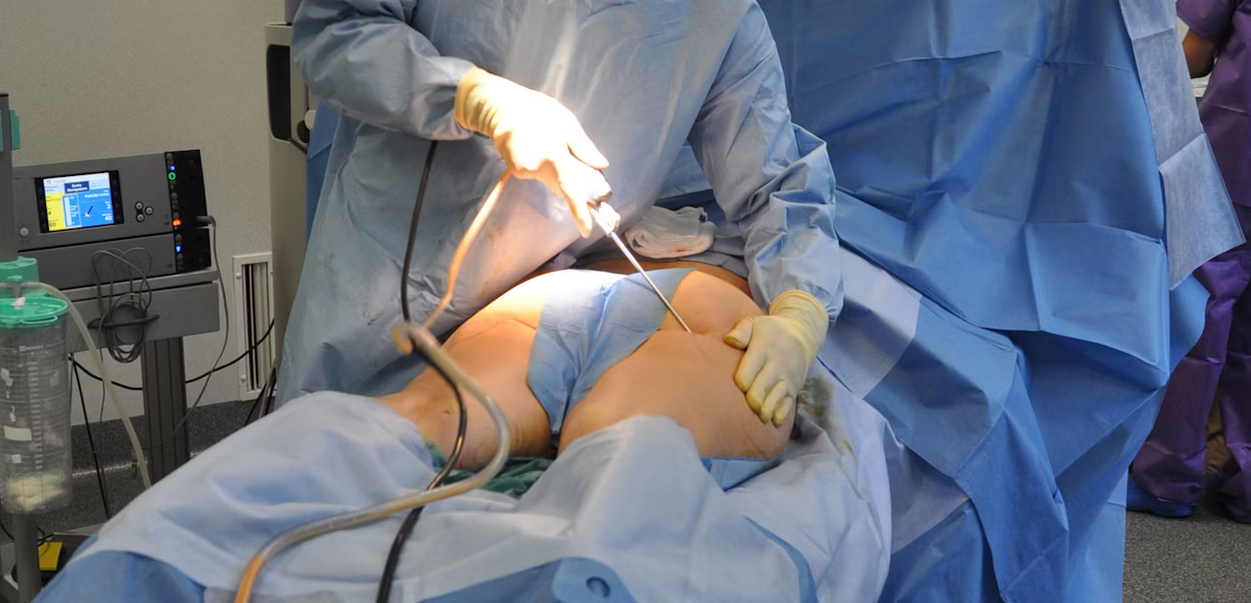
One of the biggest differences between CoolSculpting and liposuction is the recovery time. CoolSculpting requires virtually no downtime—you might experience temporary redness, swelling, or numbness, but nothing that keeps you from your daily routine. Liposuction, on the other hand, usually involves a few days off work, bruising, swelling, and the need to wear compression garments for several weeks. If taking time off just isn’t in your schedule, CoolSculpting might be the better fit.
Safety and Side Effects
CoolSculpting is considered very safe with minimal side effects. The most common complaints are temporary numbness and mild discomfort. However, a rare side effect called paradoxical adipose hyperplasia (where fat grows instead of shrinking) can occur, though it’s uncommon. Liposuction carries higher risks, including infection, scarring, and complications related to anesthesia. It’s crucial to choose a board-certified surgeon and follow post-op instructions closely to minimize these risks.
Results: How Soon Will You See Them?

With CoolSculpting, results develop gradually over the course of several weeks, as the body naturally eliminates the frozen fat cells. It can take up to three months to see the full effect, and multiple sessions may be needed. Liposuction offers more immediate, noticeable results after swelling goes down, typically within one to three months. If you’re after a quick, visible change, liposuction may have the edge—but if you’re okay with being patient, CoolSculpting delivers subtle, natural-looking results over time.
Which Is Right for You?
The choice between CoolSculpting and liposuction depends largely on your goals, lifestyle, and how much fat you’re looking to lose. CoolSculpting is great for people close to their target weight who want a non-invasive touch-up, while liposuction is better suited for those looking for more dramatic fat removal and who are comfortable with surgery and recovery time. Consulting with a qualified provider is the best way to evaluate your options and create a treatment plan tailored to your body.
Both CoolSculpting and liposuction offer effective paths to a slimmer silhouette. By understanding the pros and cons of each, you can confidently move forward in your body contouring journey—knowing that whichever method you choose, it’s one step closer to feeling your best in your skin.